In this guide
December fills up fast. Office parties, drinks with friends and family dinners bring out the velvet blazer, the sequin top and the silk shirt that spend most of the year at the back of the wardrobe.
They are also the clothes that cope worst with a splash of mulled wine or a dropped canapé. Here is how to handle the usual party spills, and why the most useful thing you can do on the night is often very little.
1. On the night: blot, don't rub
Whatever lands on you, the first move is the same. Take a clean white napkin or a piece of kitchen roll and press it gently onto the spill to soak up as much as you can.
Rubbing feels like it should help, but it pushes the stain deeper into the fibres and spreads it wider. On delicate fabrics it can also rough up the surface, leaving a dull patch even after the stain has gone.
Use white rather than a coloured paper napkin, which can pass its own dye onto wet fabric.
2. Mulled wine and red wine
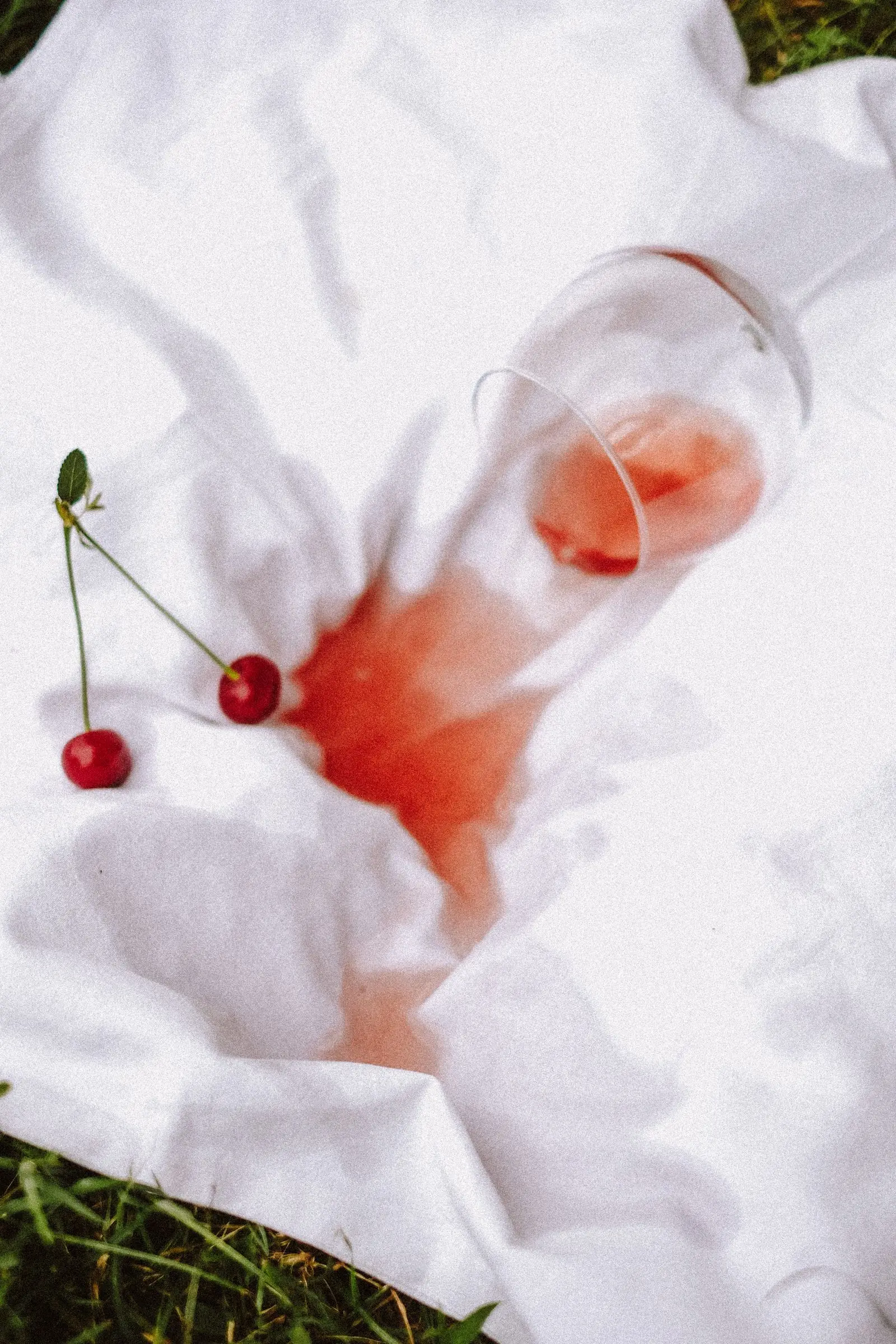
Red wine stains because of the colour and tannins in the grapes, and mulled wine adds sugar and spices on top. The sooner you deal with it, the better your chances.
After blotting, a little cool water dabbed onto the mark can help on fabrics that are happy to get wet, such as cotton or polyester. Keep it cool, because hot water can help the stain bond to the fibres.
Skip the old tricks of salt, white wine or fizzy water on anything delicate. They can leave rings or marks of their own and make the stain harder to treat properly later.
3. Sequins and beading
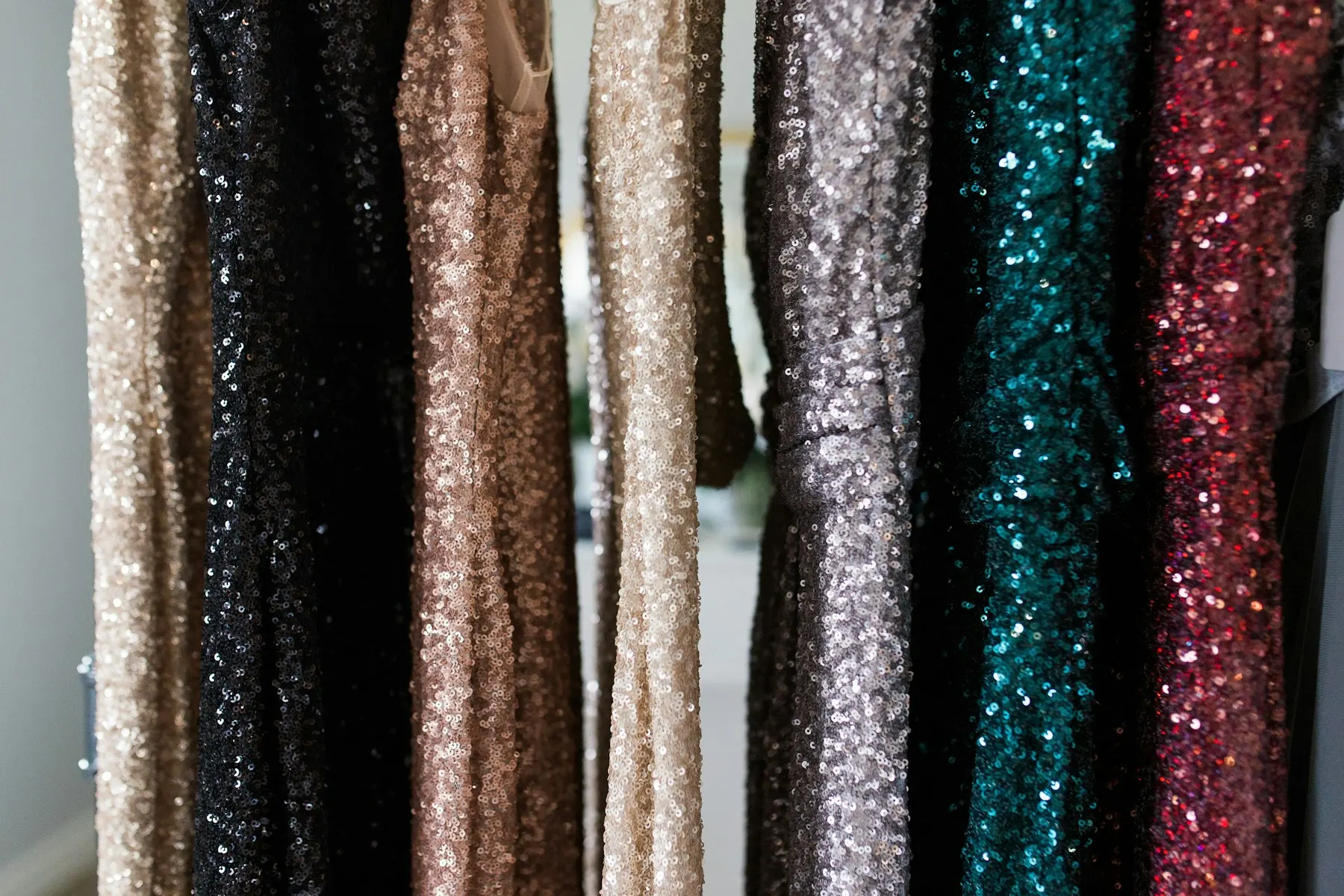
Embellished clothes are tricky because the sequins, beads and the fabric underneath all react differently to water. A stain can spread further under the sequins than it looks from the outside.
Blot gently around the embellishment rather than over it, so you do not catch threads or pull sequins loose. Then leave it. Scrubbing or soaking at home can loosen the stitching, dull the shine or make the colour on cheaper sequins run.
Some sequins and beads are glued on rather than sewn, and the glue may not survive a washing machine. Check the care label, and if you are not sure, ask a professional before trying anything.
4. Velvet
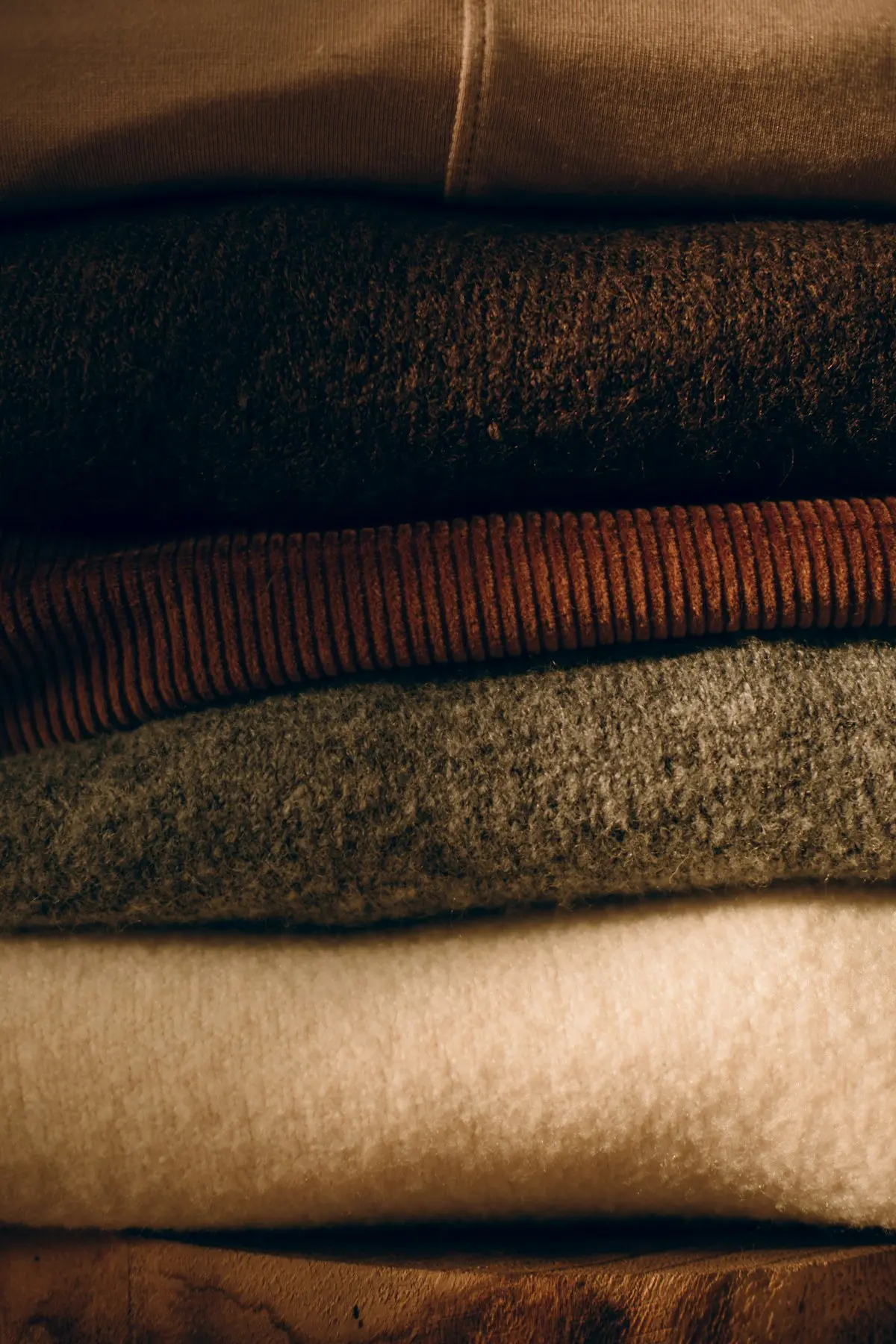
Velvet has a soft raised pile, and it marks easily. Pressing hard, rubbing or getting it very wet can flatten the pile and leave a shiny patch that is hard to put right.
Blot the spill lightly with a dry cloth in the direction of the pile, and then stop. If the label says dry clean only, that is the safest route. Washable velvet should go on a cold, gentle cycle and never in the tumble dryer.
If the pile looks crushed after a long evening sitting down, hang the item in a steamy bathroom for a while. The steam helps lift it again.
5. Silk, satin and wool
Silk and satin show water marks easily, so even plain water dabbed onto a spill can leave a ring once it dries. Blot, keep the fabric as dry as you can and leave the rest to a professional.
Wool jumpers and tailoring are more forgiving. Blot, let them dry naturally away from radiators, and brush off any crumbs or dried food once it has set.
6. The next day: get it cleaned while the stain is fresh
Once you are home, hang the outfit somewhere airy rather than leaving it in a heap. Make a note of what was spilled and where. A cleaner can treat a stain much better if they know whether it was wine, gravy or lipstick.
Try to have it cleaned within a few days. The longer a stain sits, the more it settles into the fabric, and some sugary or oily marks darken as they age.
Make sure the outfit is clean before it goes away until next year. Food and drink marks you cannot see can attract moths and turn into stains over the months it hangs in the wardrobe.