
In this guide
Every time synthetic clothes go through the wash, tiny threads break off and flow away with the water. They are called microfibres, and they are small enough to slip through water treatment and end up in rivers and the sea.
A bill in the House of Lords has put the issue back in the news this autumn. Here is what it would change, and a few simple habits that cut down how much your own washing sheds.
1. What microfibres are
Fleece, polyester, nylon and acrylic are all made from plastic. As clothes rub against each other and the drum during a wash, fine fibres work loose and leave with the waste water.
Cotton, wool and other natural fibres shed too, but they break down far more readily than plastic ones. It is the synthetic fibres that build up in the environment.
2. What the filter bill would do
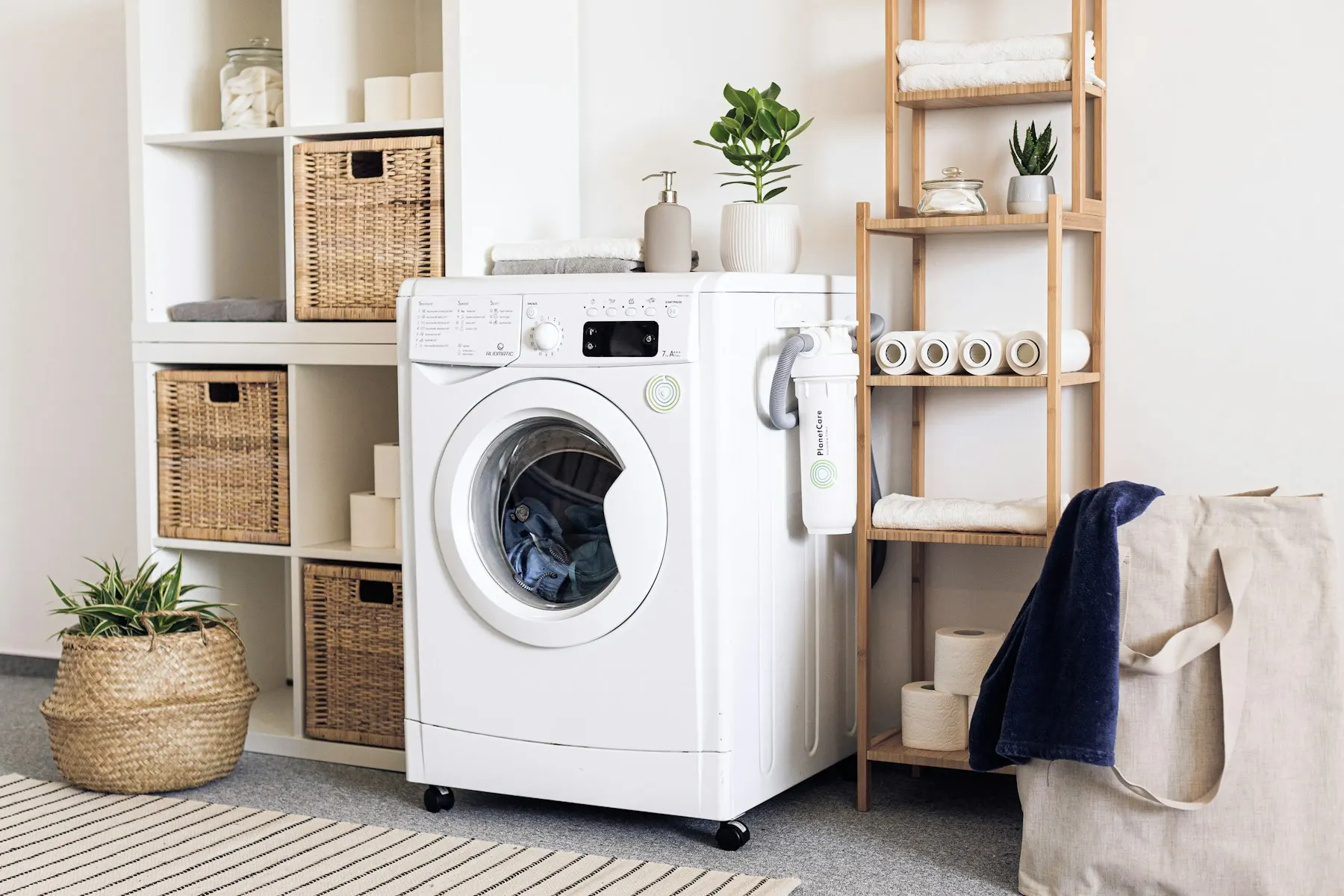
The Microplastic Filters (Washing Machines) Bill is a private member's bill brought by Lord Randall of Uxbridge. It would require manufacturers to fit a filter that catches microfibres to new household and commercial washing machines sold in the UK, and would ask the government to raise awareness of the problem.
Private members' bills often run out of time before they become law, so nothing changes for your machine yet. The EU is looking at similar rules, though, so filters are likely to become more common either way.
3. Wash full loads at cooler temperatures
Friction and heat are what loosen fibres. A sensibly full drum means clothes move together rather than rubbing hard against each other and the drum, and fewer loads overall means fewer chances to shed.
For everyday clothes that are only lightly worn, a 30 degree wash is usually plenty. Shorter cycles with a gentler spin are kinder to synthetics too.
4. Wash a little less, and a little gentler
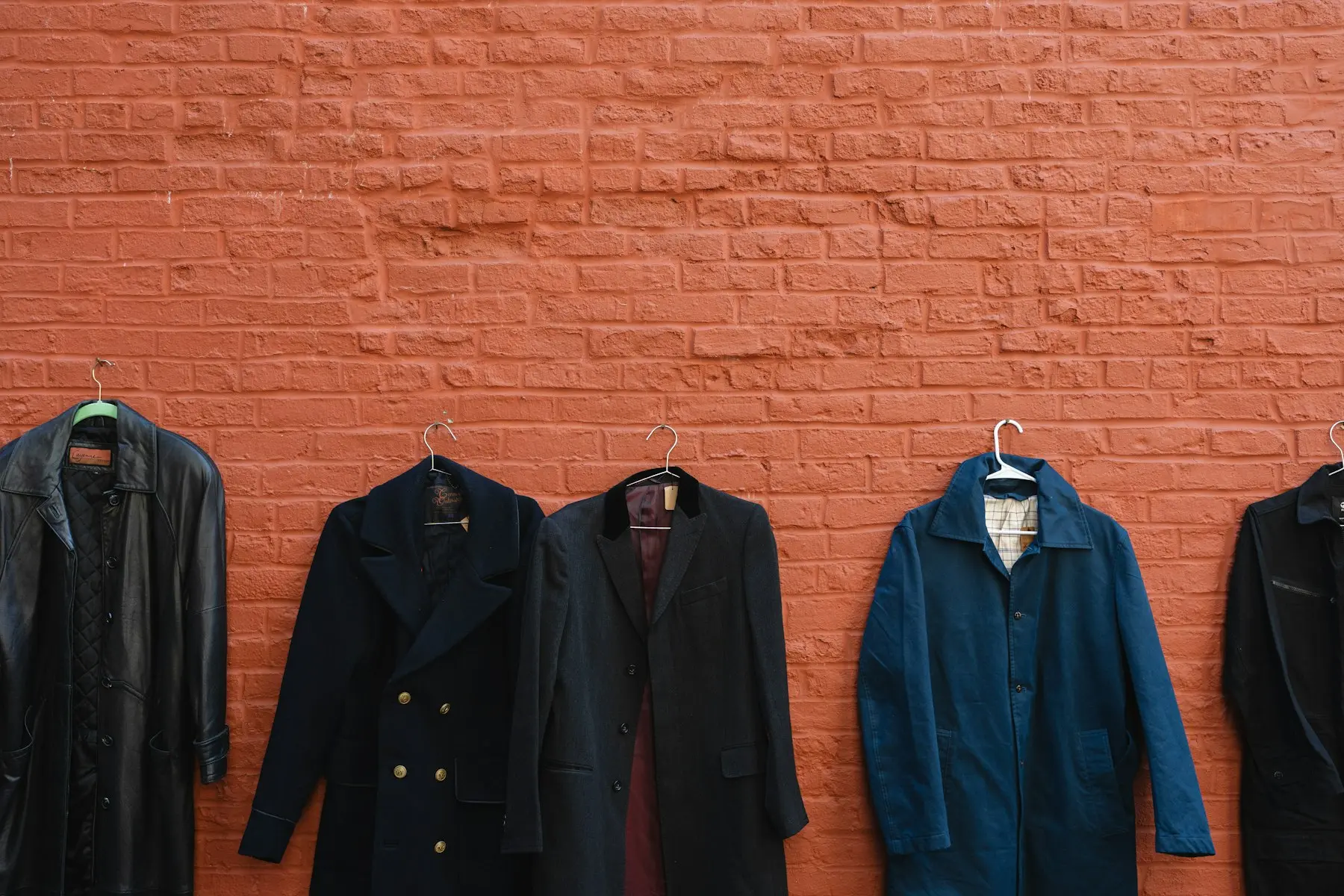
Not every wear needs a wash. Jumpers, jeans and coats often only need airing overnight, and a small mark can usually be spot cleaned instead of washing the whole item.
When synthetics do go in, turn them inside out and wash them with similar fabrics. Washing a rough pair of jeans next to a soft fleece wears both of them faster.
5. Bin the fluff, and think about fabrics
The lint from your tumble dryer filter and the bits caught in your washing machine's pump filter are mostly fibres from your clothes. Rinsing them down the sink sends them straight back into the water.
When you next buy clothes you wash often, such as gym kit or children's clothes, it is worth weighing up natural fibres or better made synthetics that are built to last.